N0H 1B0 Annan

519-503-8536

About us

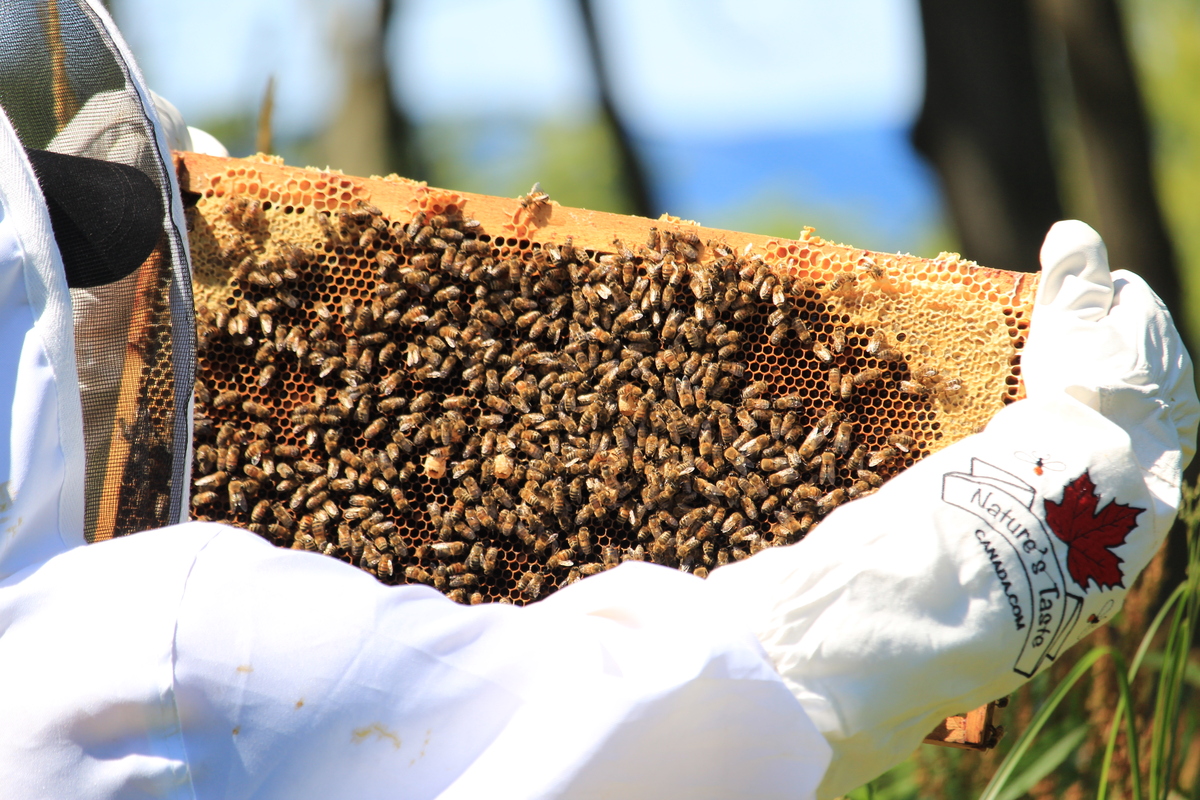
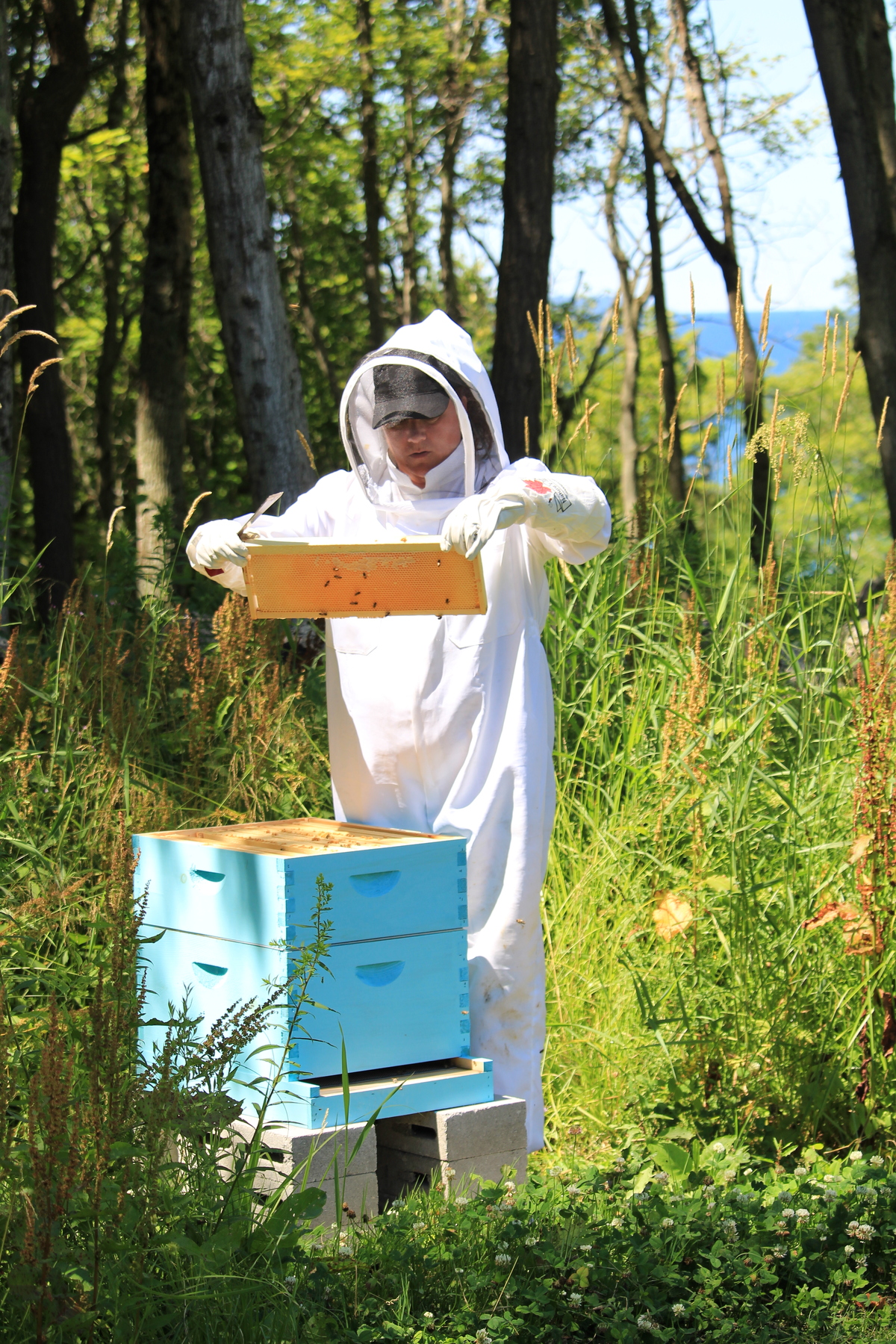
From a beekeeper's visit to my Kindergarten classroom in 2013 which sparked my fascination with honey bees, to installing my first hive in 2024, my beekeeping journey has been one of passion, patience, and purpose.


"Bees On The Bay", a dream turned reality, sits nestled among the trees, overlooking the stunning blue waters of Georgian Bay.

Now in my third year of beekeeping, I am expanding my local network of hives to bring greater diversity to our honey production, while also launching an in-class learning program for young students in Grey-Bruce County - helping inspire a new generation of beekeepers...because every great beekeeper starts with a moment of wonder!

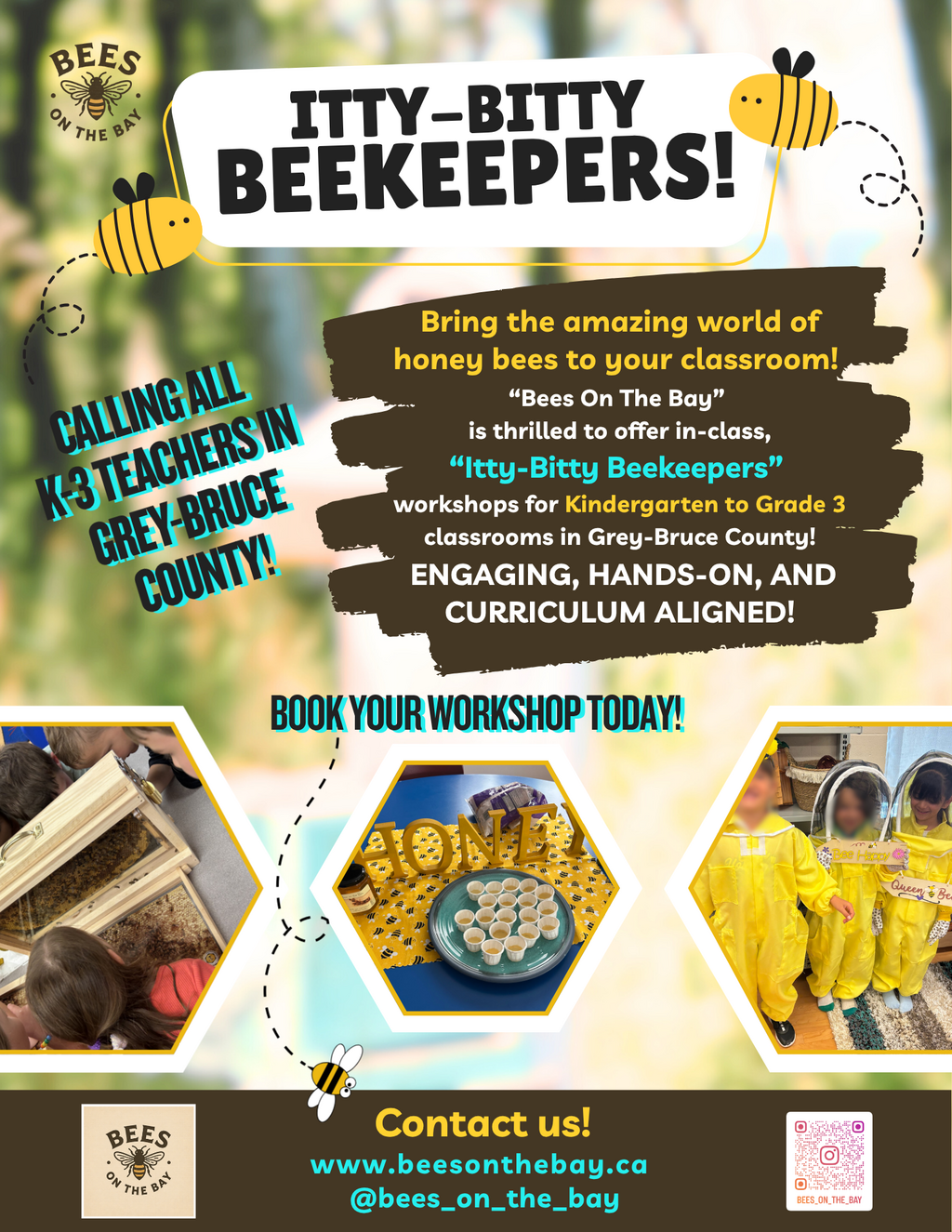
Itty-Bitty Beekeepers!

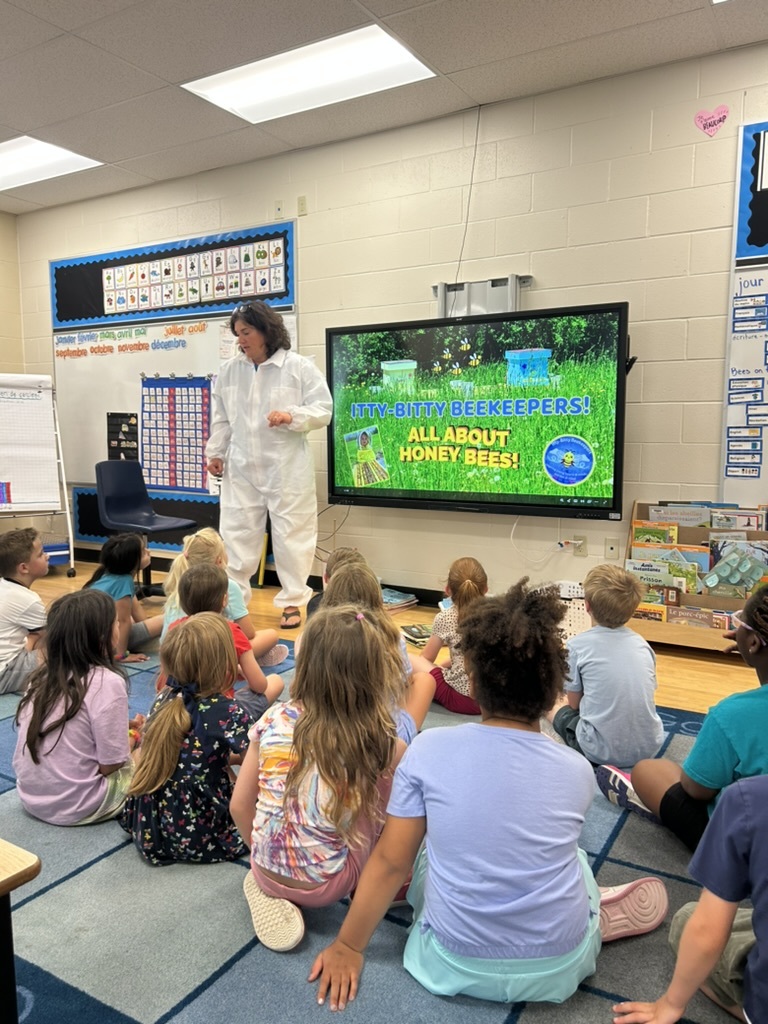
Drawing on over 20 years of experience teaching Kindergarten, and elementary students, I'm excited to introduce "Itty-Bitty Beekeepers" — an engaging,
in- class, hands-on learning experience that brings the world of bees to life for young learners.


MORE DETAILS BELOW!


​​​

"itty-bitty beekeeperS" info 

who?


  • Available to Kindergarten to Grade 3 classes in Grey-Bruce County (Ontario)


  • Our main "Itty-Bitty Beekeepers" workshop is structured for a group of up to 50 students*


  • Adding extra groups of up to 50 students is feasible when added on the same day as the initial, main workshop (details outlined under COSTS)

wHEN?


  • Main workshop length: 1 hour


  • Choose from an AM or a PM time slot


  • 2025-26 school year availablity 
    • MAY* and JUNE, 2026


  • 2026-27 school year availability:
    • SEPTEMBER and early OCTOBER, 2026
    • APRIL*, MAY* and JUNE, 2027
    • *live bees are unfortunately "seasonally unavailable" for April, and some May workshops.


what will students discover?


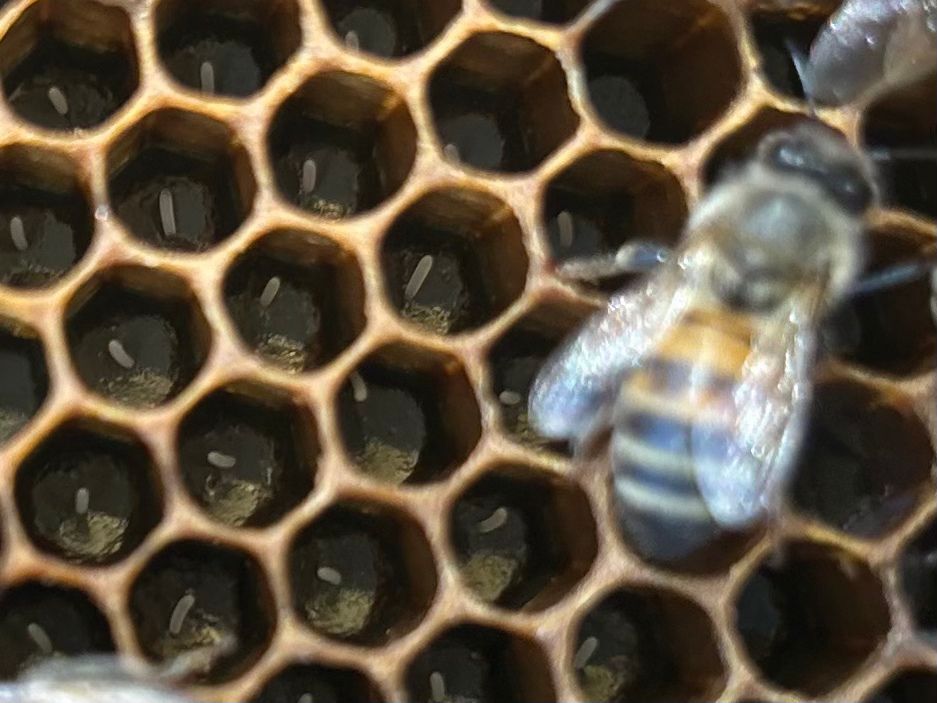
  • The life cycle of the honeybee


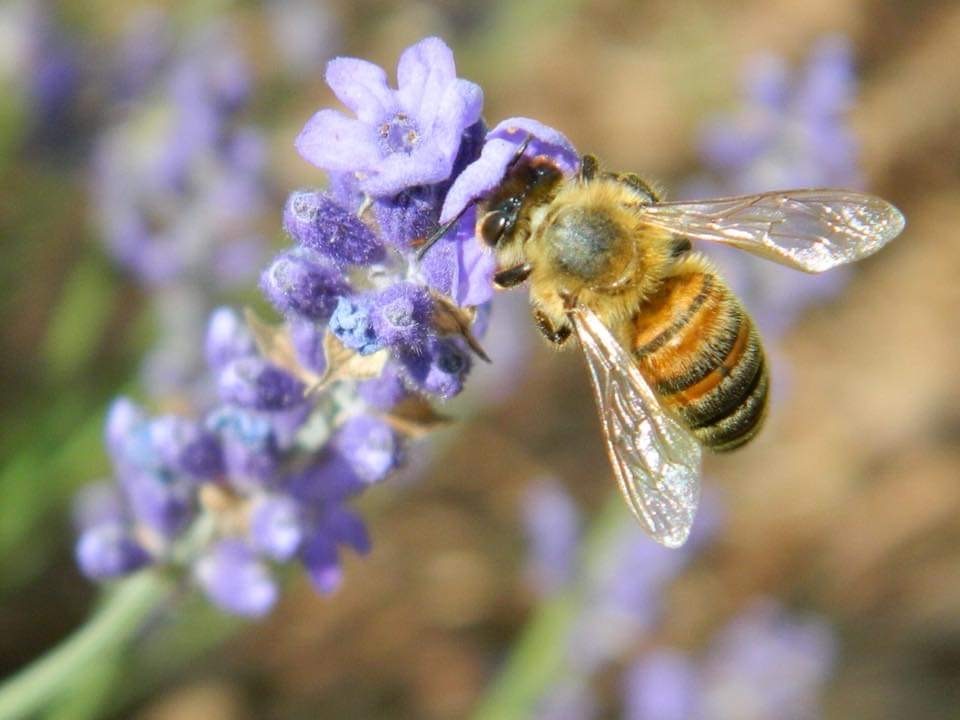
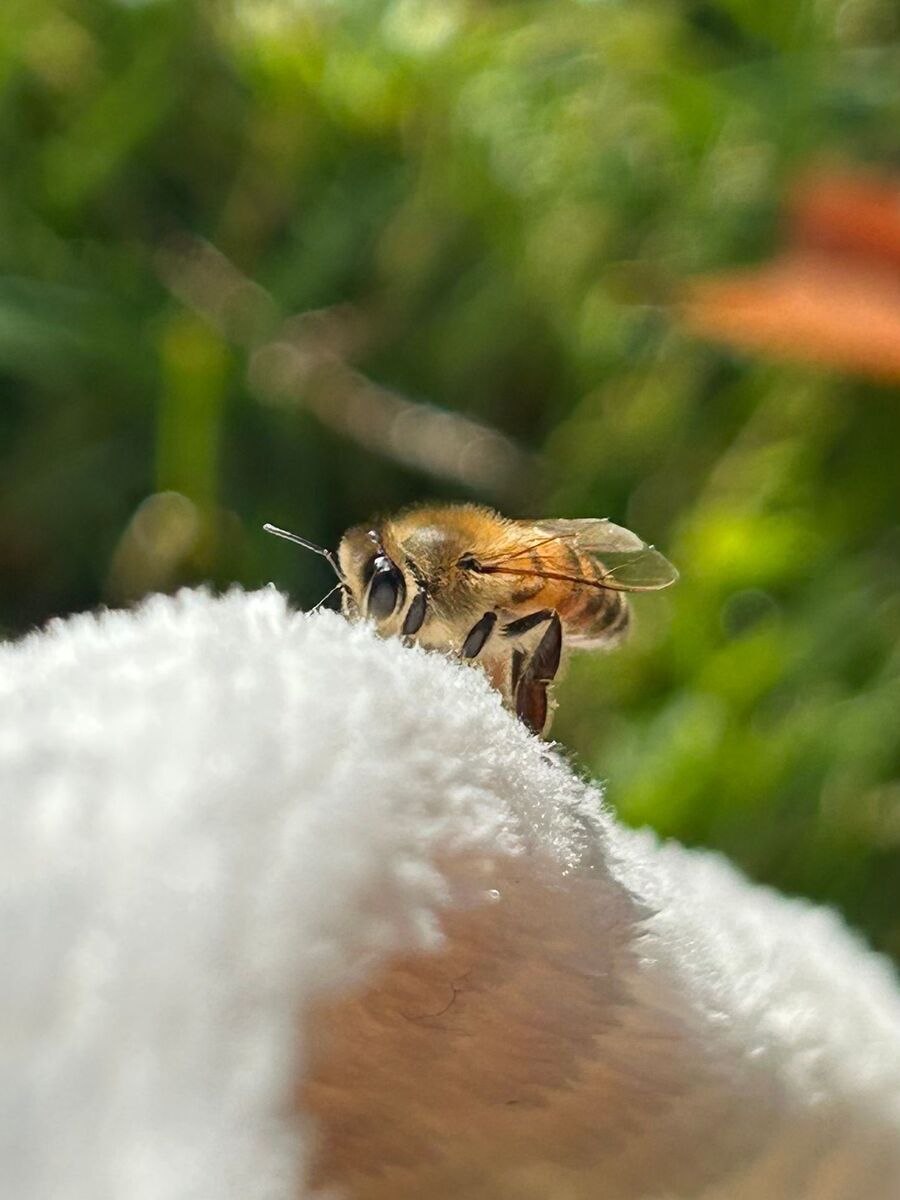
  • A honeybee's anatomy


  • Hive facts and how bees influence the success and growth of the hive


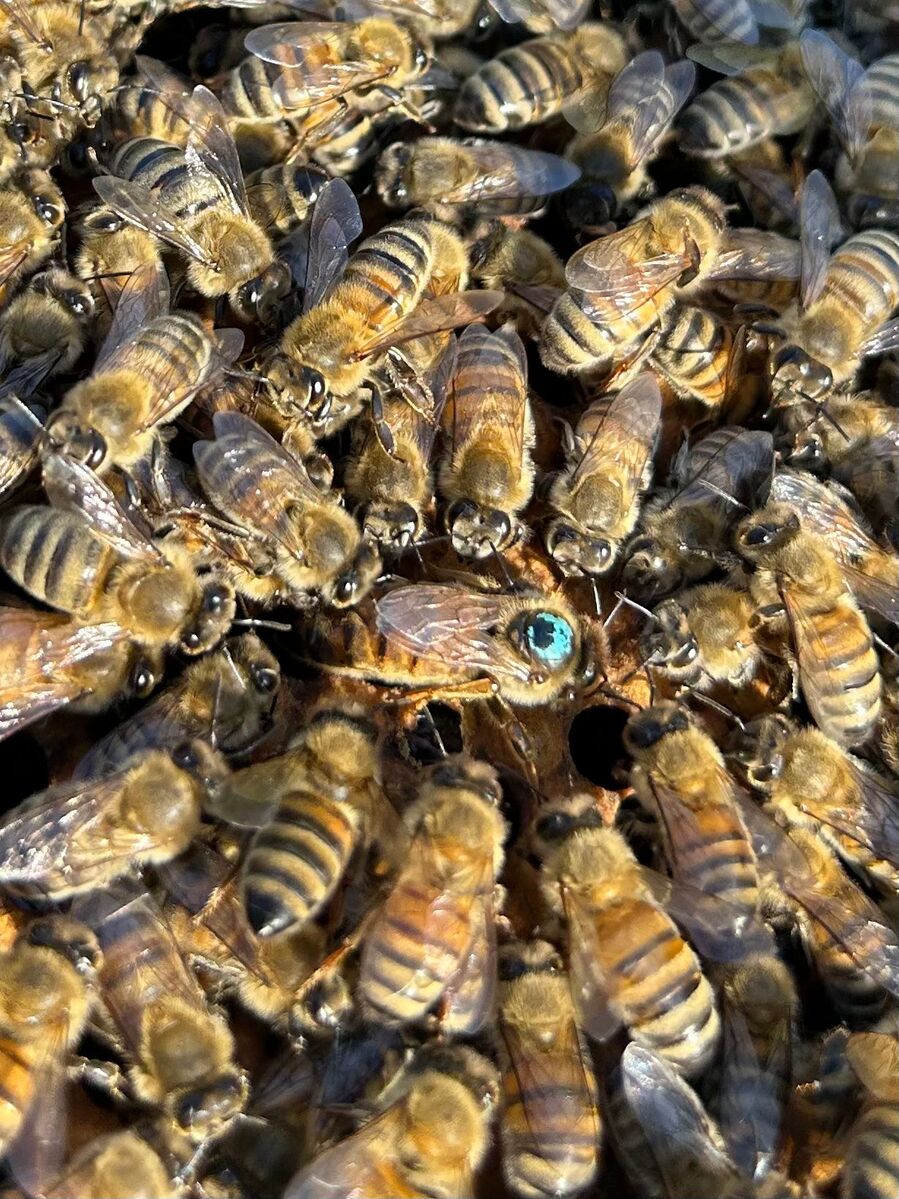
  • The differences between queen, drone and worker bees


  • How bees and other pollinators are keystone species in our ecosystems


  • Are hornets and wasps, bees?


  • The taste of honey!


  • What factors influence a honey's colour and flavour?

MAIN workshop structure


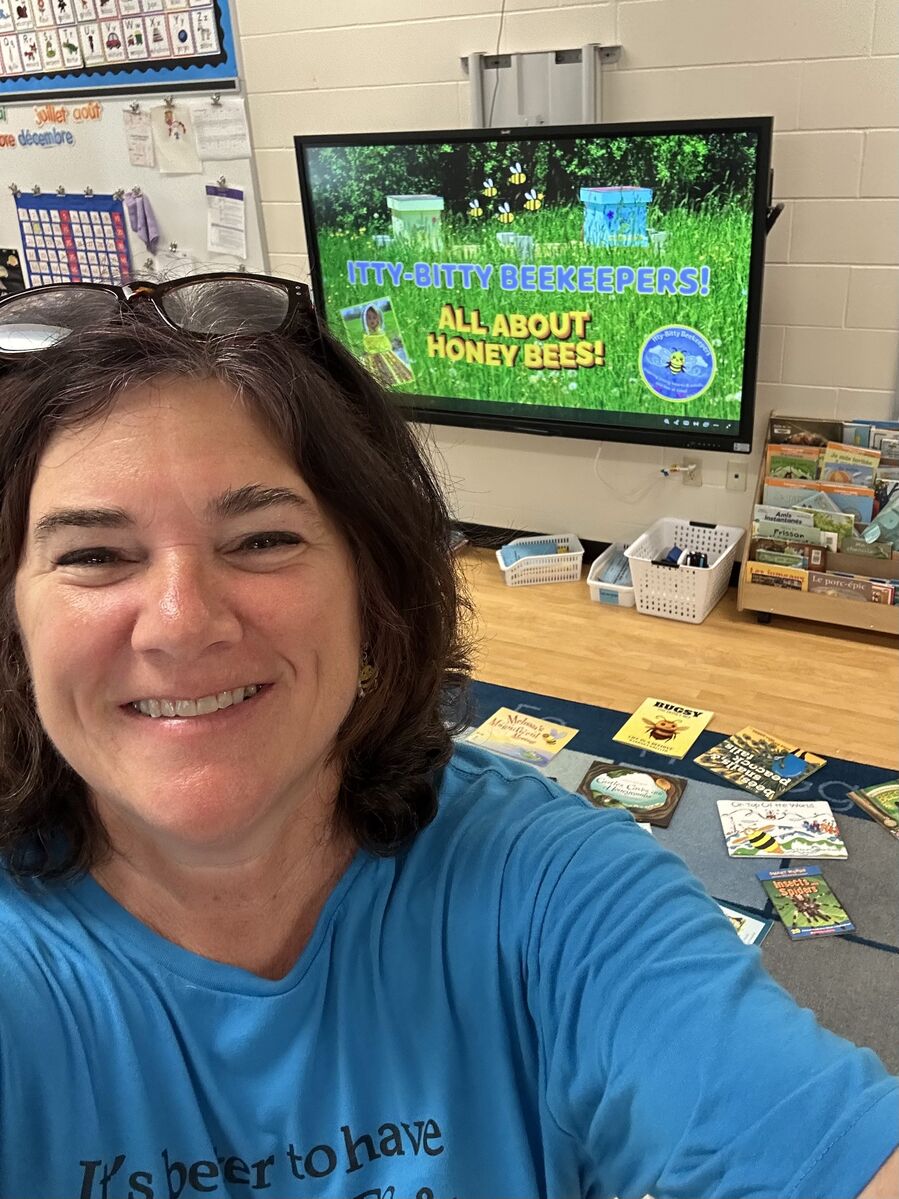
  • First, students will enjoy an engaging story, action song and an interactive visual presentation, as well as some time for Q & A


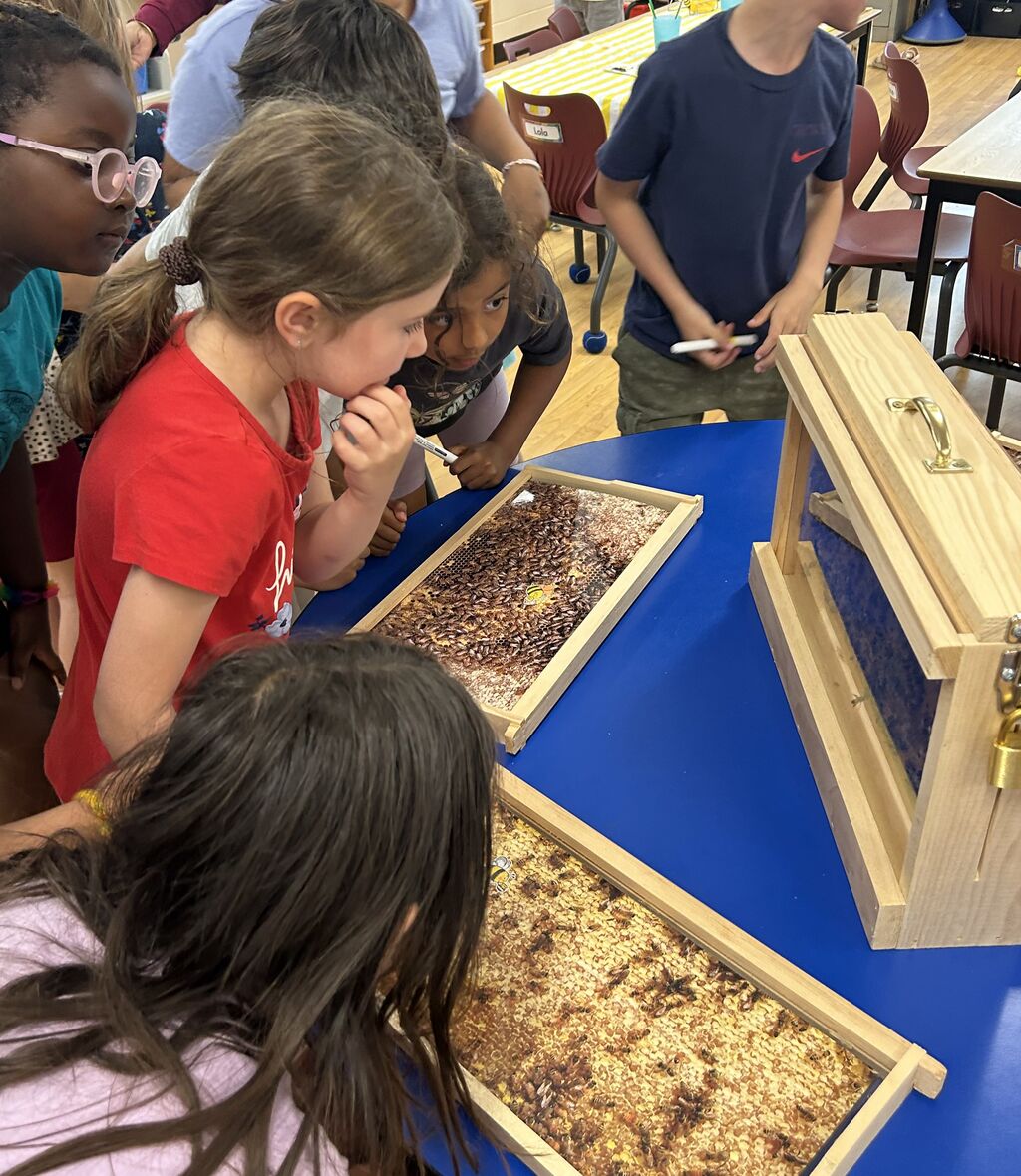
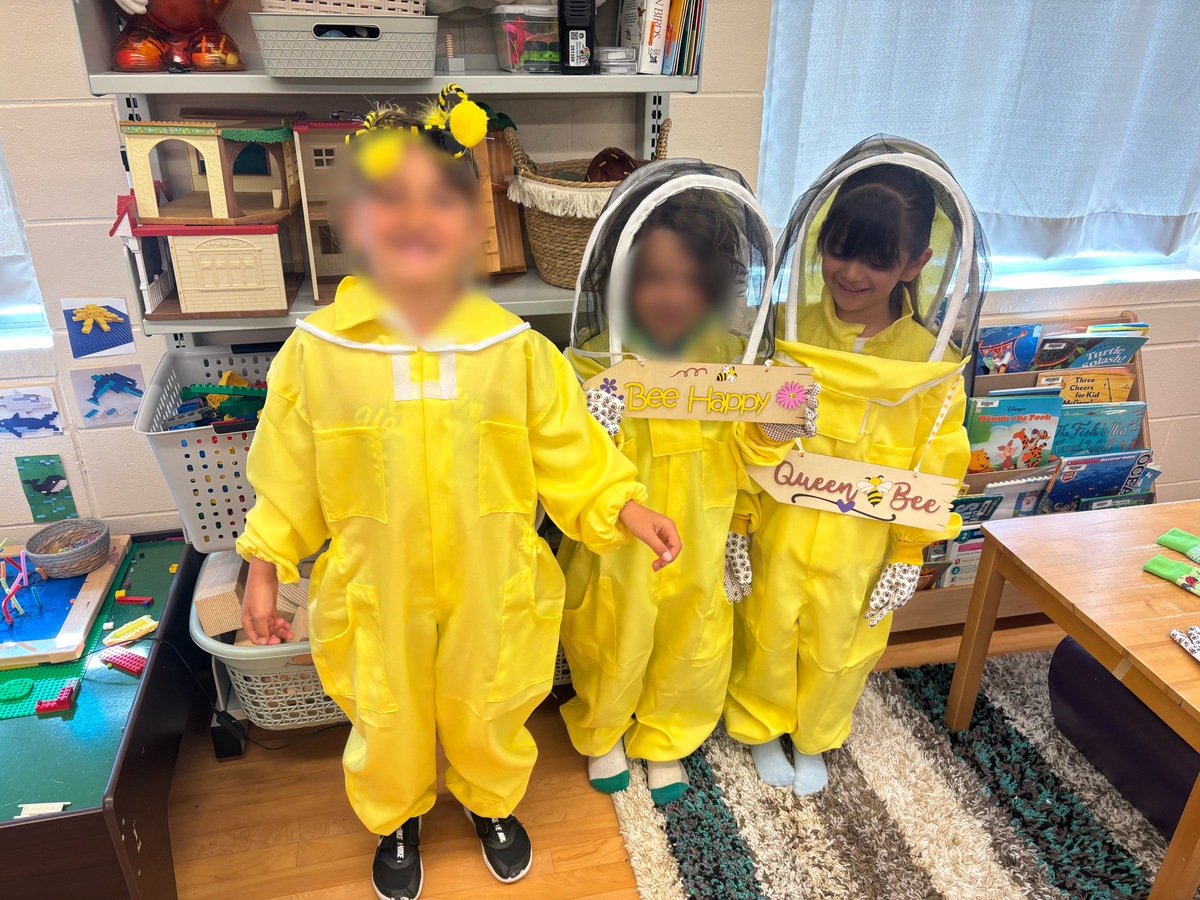
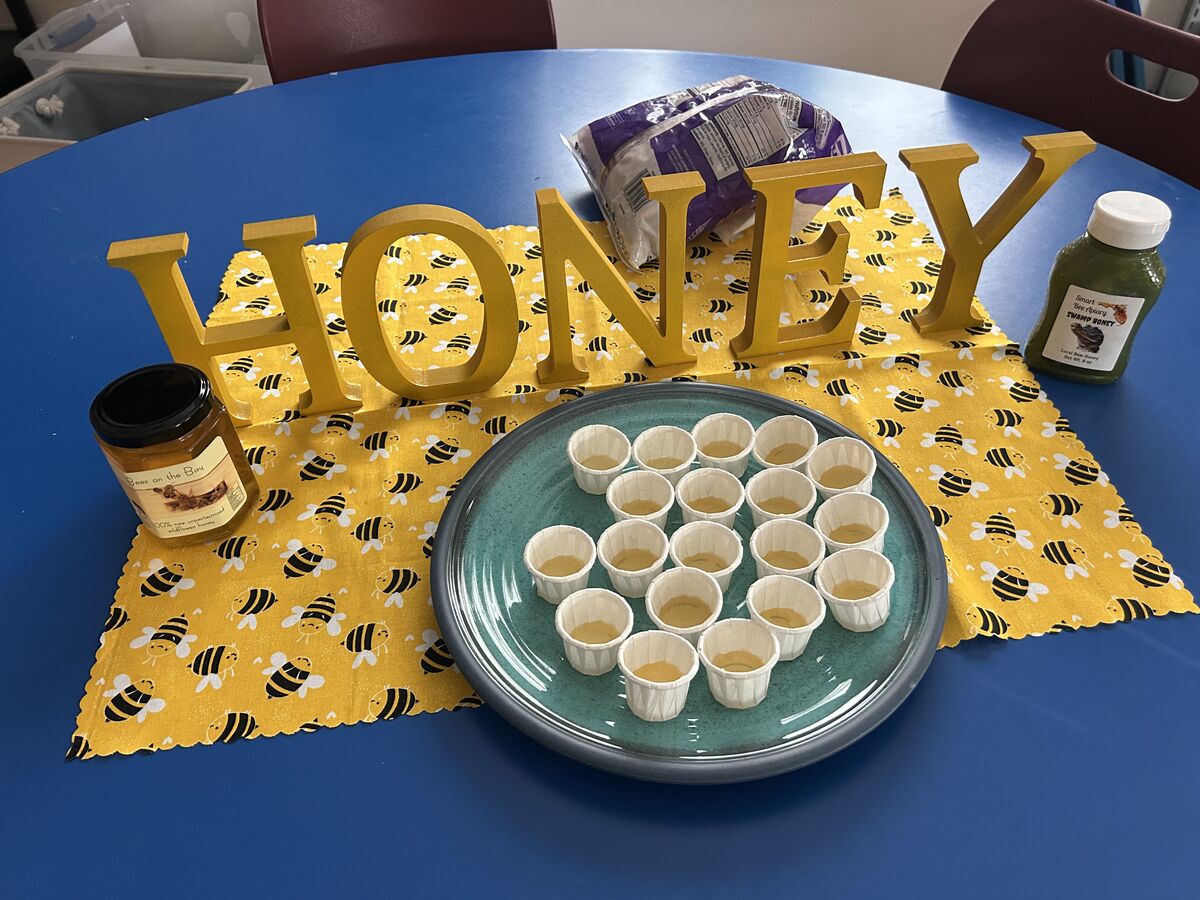
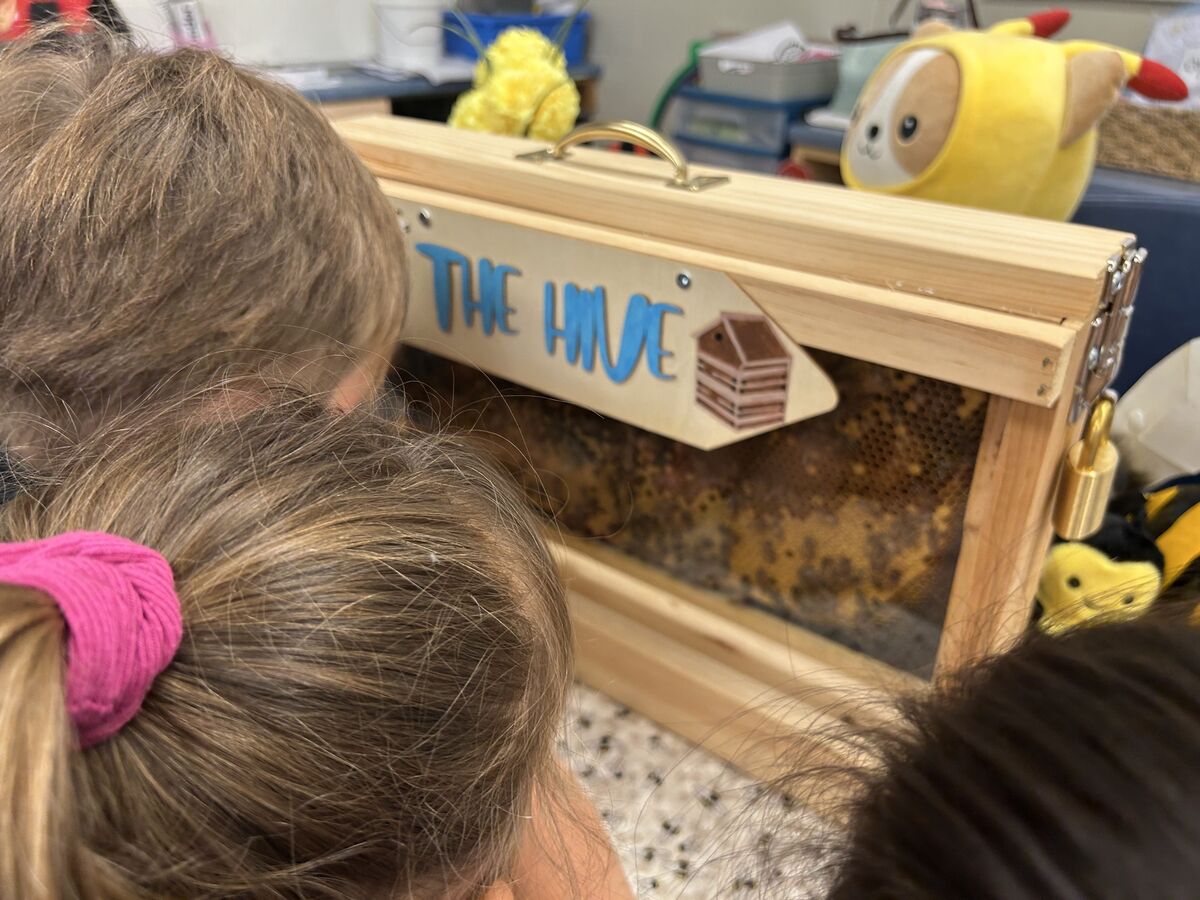
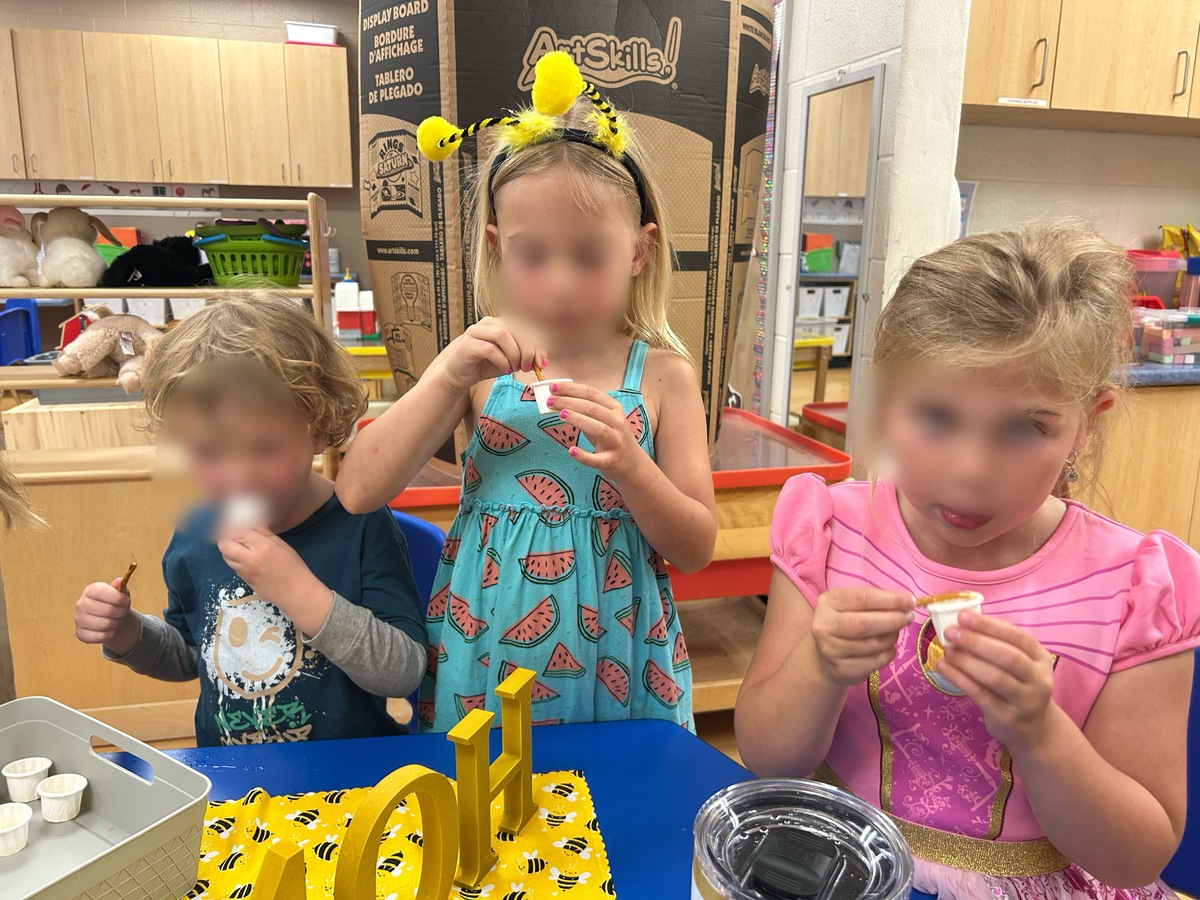
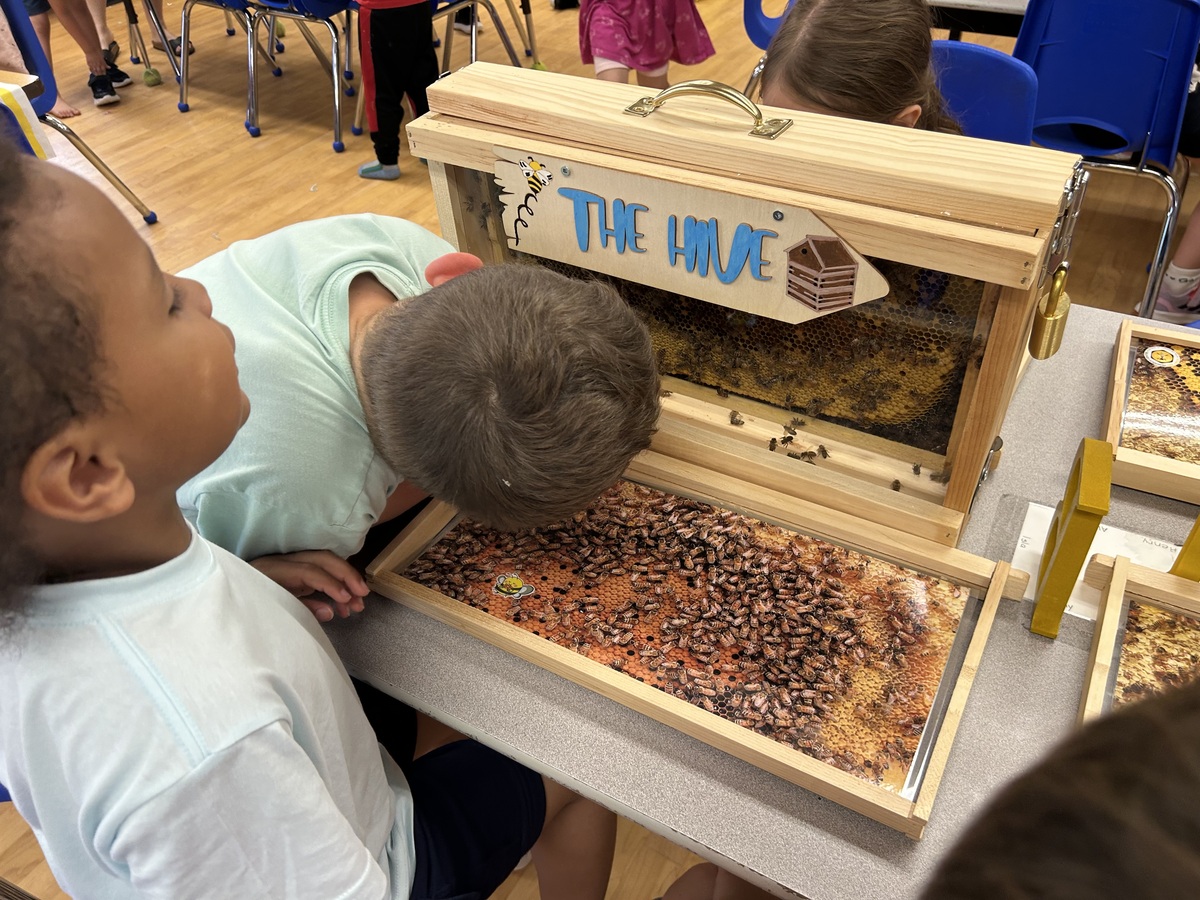
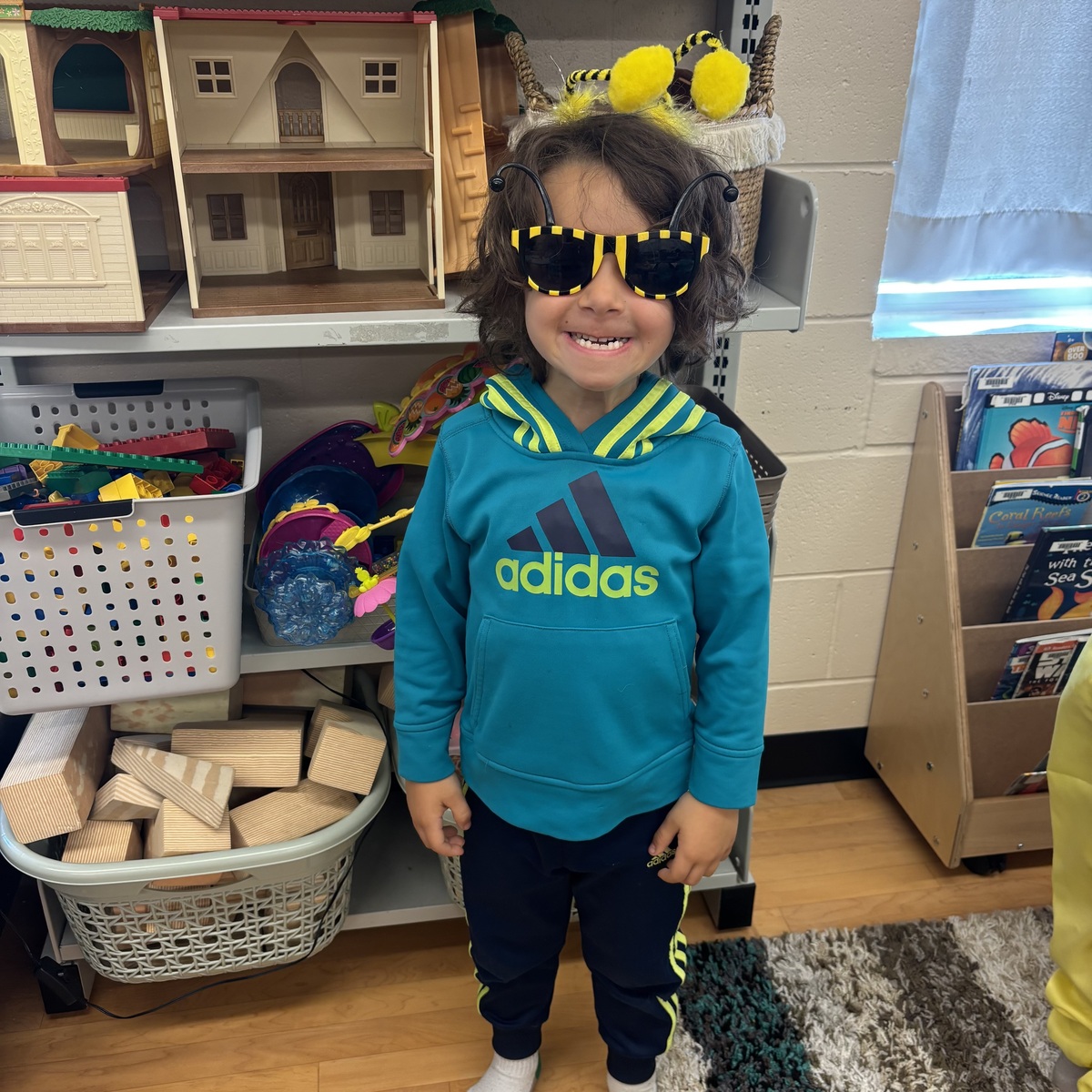
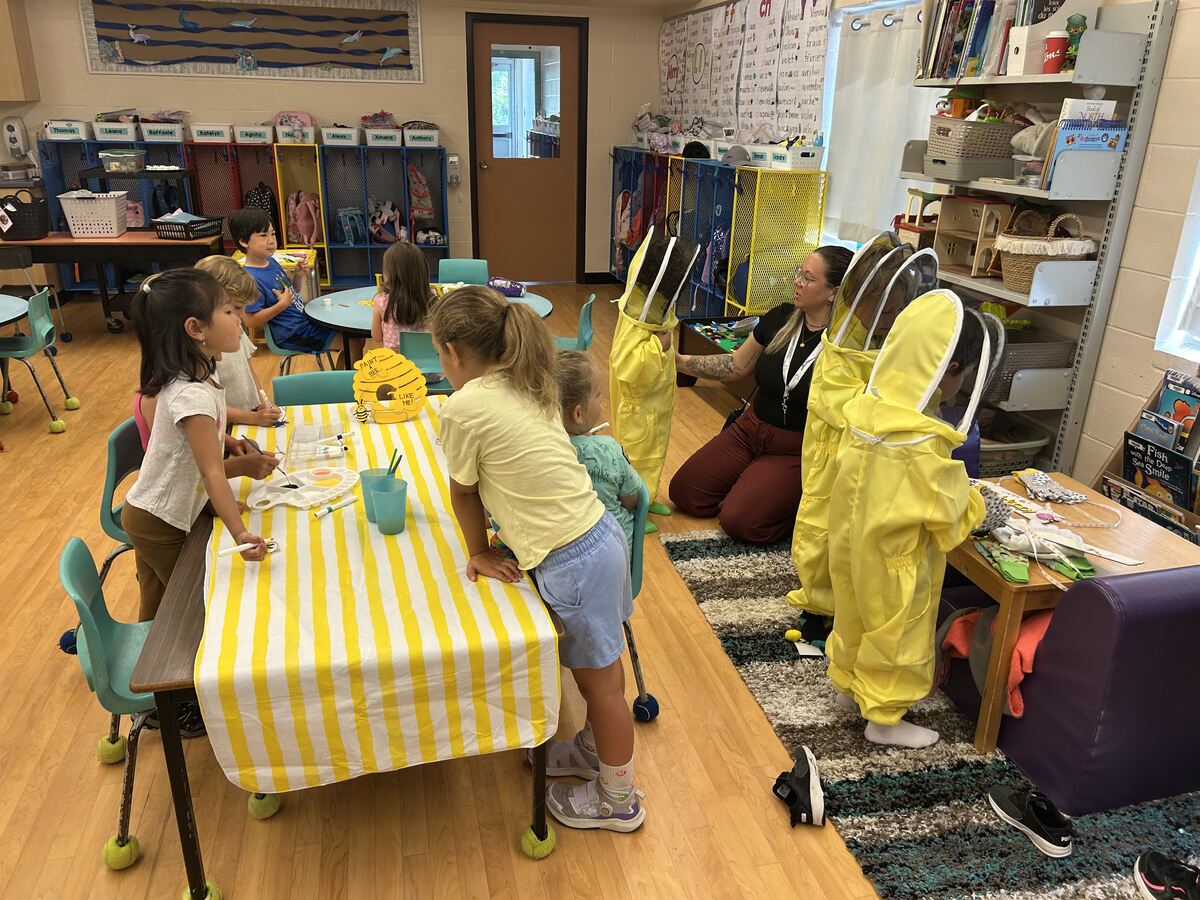
  • Then, participants will try on an "itty-bitty" bee suit with gloves, sample fresh honey (supervised) and ~ when in seasonobserve live bees in a safe, "peek-a-bee" box!


  • ALL STUDENTS involved will receive a COLOURING PAGE and a fun "bee" STICKER to take home! 


  • If you wish to EXTEND the learning to touch on more specific expectations like visual art or math, or just add more fun, then perhaps you would like to incorporate "ADD-ON" centres! (more details below) 

costs


  • MAIN, one hour WORKSHOP for groups of up to 50 students: $195


  • Each additional hour for groups of up to 50 students: $100


  • "ADD-ON" centres: $15

ADD-ONs


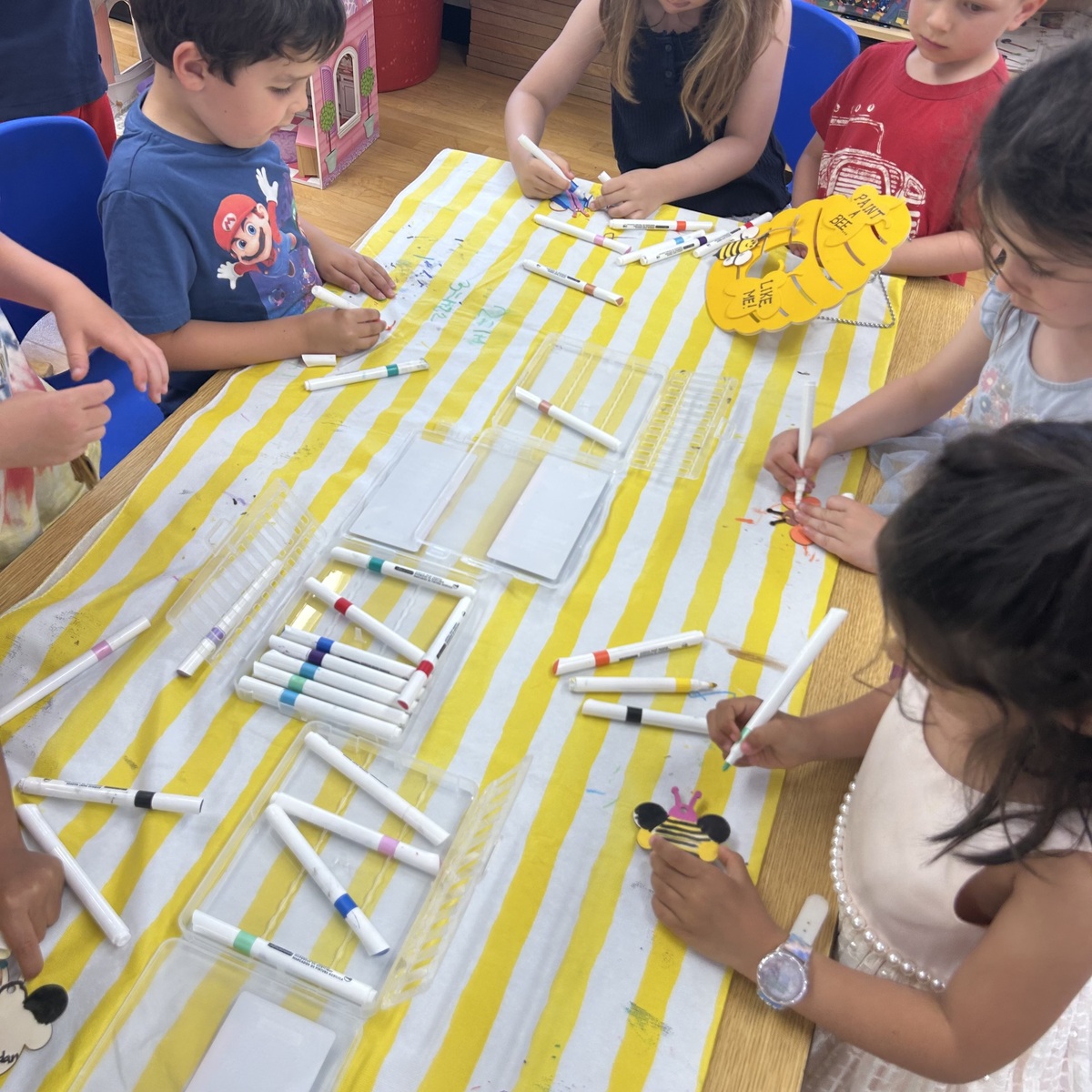
  • Extend your workshop with extra hands-on learning centres to allow for deeper learning & longer engagement! 


  • 'Bee related' centres can include:


  • an art activity/craft
  • a search & find activity using realistic hive frames
  • a grade level reading-writing activity
  • a 2-D shape/patterning activity
  • and more!


  • More details upon request


The fine print:


  • It is helpful for classroom teachers to have tables available for use, in order to run learning centres and activities as designed.
  • A larger, "carpet" area is also advisable so students can gather for the group presentation.
  • When booking, it will also be discussed if there is a usable data projector in the presentation area.
  • Extra "hands" will be required for at least three learning centres following the presentation (i.e., teachers, EA's, parents)
  • If there are any children in your group with known allergies to honey, we will discuss measures to have him/her abstain from this particular activity. 
  • If a child has a known bee allergy (i.e., registered with the school office and Epi-Pen on site), we will discuss the potential necessity of excluding the "peek-a-bee" box from the workshop.
  • If you plan for a workshop that extends beyond the standard 30 student limit, an alternative location will likely be required (i.e., library)
  • Live bees are an exciting addition to the workshop, but, if a frame of live bees cannot be secured due to seasonal availability, we will advise ahead of time as this could impact your choice of workshop date.

Curriculum connections!

The following are examples of potential, K-3 specific expectations that "Itty-Bitty Beekeepers" may cover!


Kindergarten (2026 curriculum):


  • B13.1: Ask questions about and describe some natural occurrences
  • B12.2: Make predictions and observations while exploring, investigating, and designing
  • B13.3: Compare patterns in natural and built environments
  • D23.3: Describe ways in which they care for and respect the environment
  • A9.1 Identify, sort, and compare the most common 2-D shapes, including circle, HEXAGON, rhombus, and trapezoid


Grade 1:


  • B2.1: Demonstrate an understanding of the natural environment as a place where living and non-living things are interconnected
  • B2.3: Identify the physical characteristics of various plants and animals, including humans, and explain how these characteristics help the plants and animals meet their basic needs
  • B2.6 :Describe ways in which living things provide for the needs of other living things


Grade 2:


  • B2.3: Describe the life cycle of a variety of animals, including insects, amphibians, birds and mammals
  • B2.4: Compare changes in the appearance and behaviour of various animals as they go through a complete life cycle
  • B1.2: Assess impacts of various human activities on animals and the places where they live, and describe practices that can minimize negative impacts
  • E1.1: Sort and identify 2-D shapes by comparing number of sides, side lengths, angles, and number of lines of symmetry


Grade 3:


  • A1.5: Communicate their findings, using science and technology vocabulary and formats that are appropriate for specific audiences and purposes
  • B1.1: Assess ways in which plants are important to humans and other living things, taking different perspectives into consideration, and identify ways in which humans can protect native plant species and their habitats
  • B1.3: Assess the benefits and limitations of locally grown food
  • B2.8: Describe ways in which plants and animals, including humans, depend on each other

Workshop registration

*We look forward to connecting with you and will respond as soon as possible!

gallery

Market & honey info
(coming soon!)

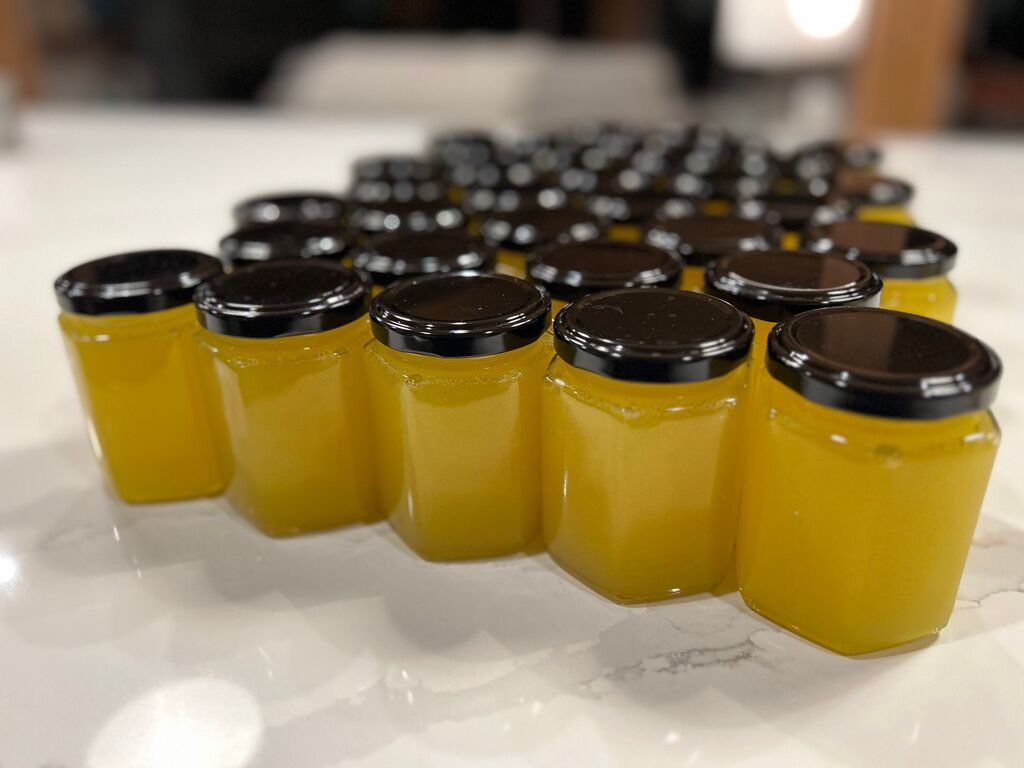
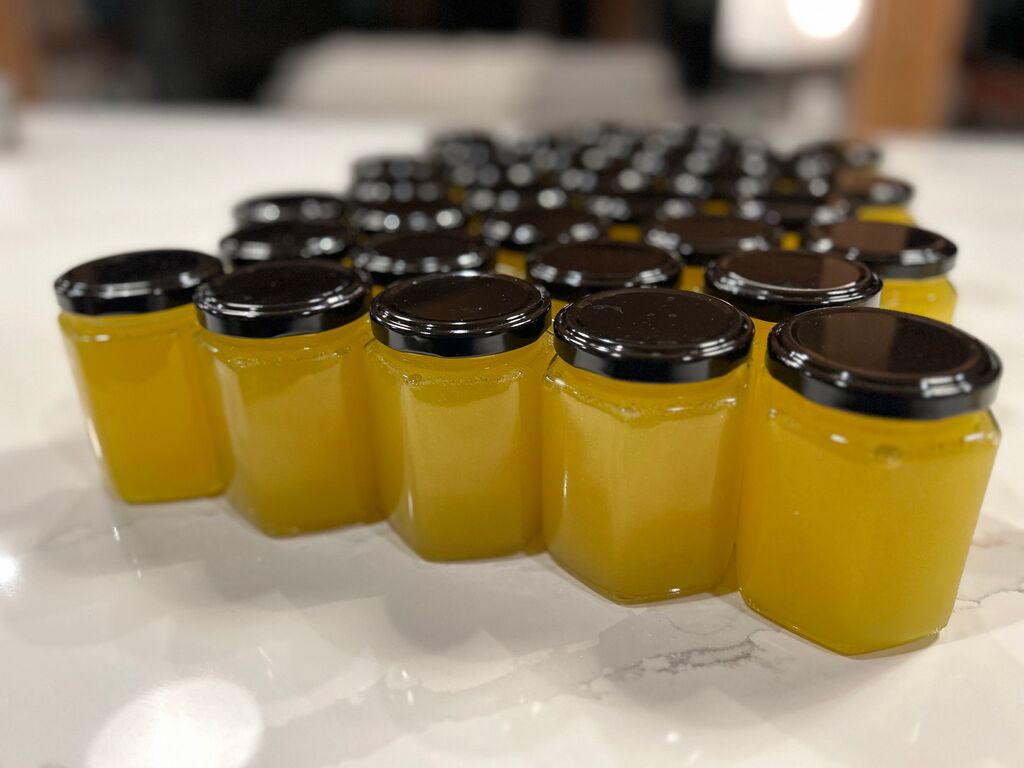
100% organic wildflower
honey

100% organic farm grown
honey

SEASONAL MARKETS WHERE YOU WILL FIND US!

Keep checking here for updated info

Contact us!